
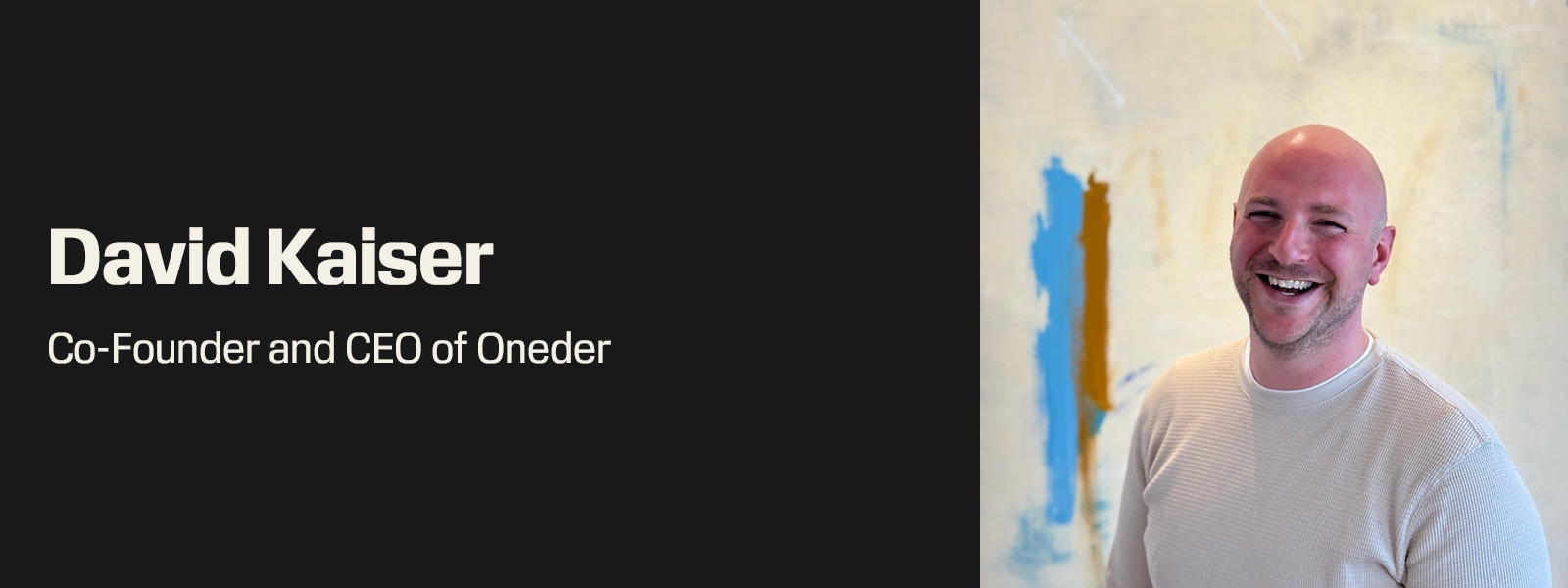
Interview with David Kaiser
David Kaiser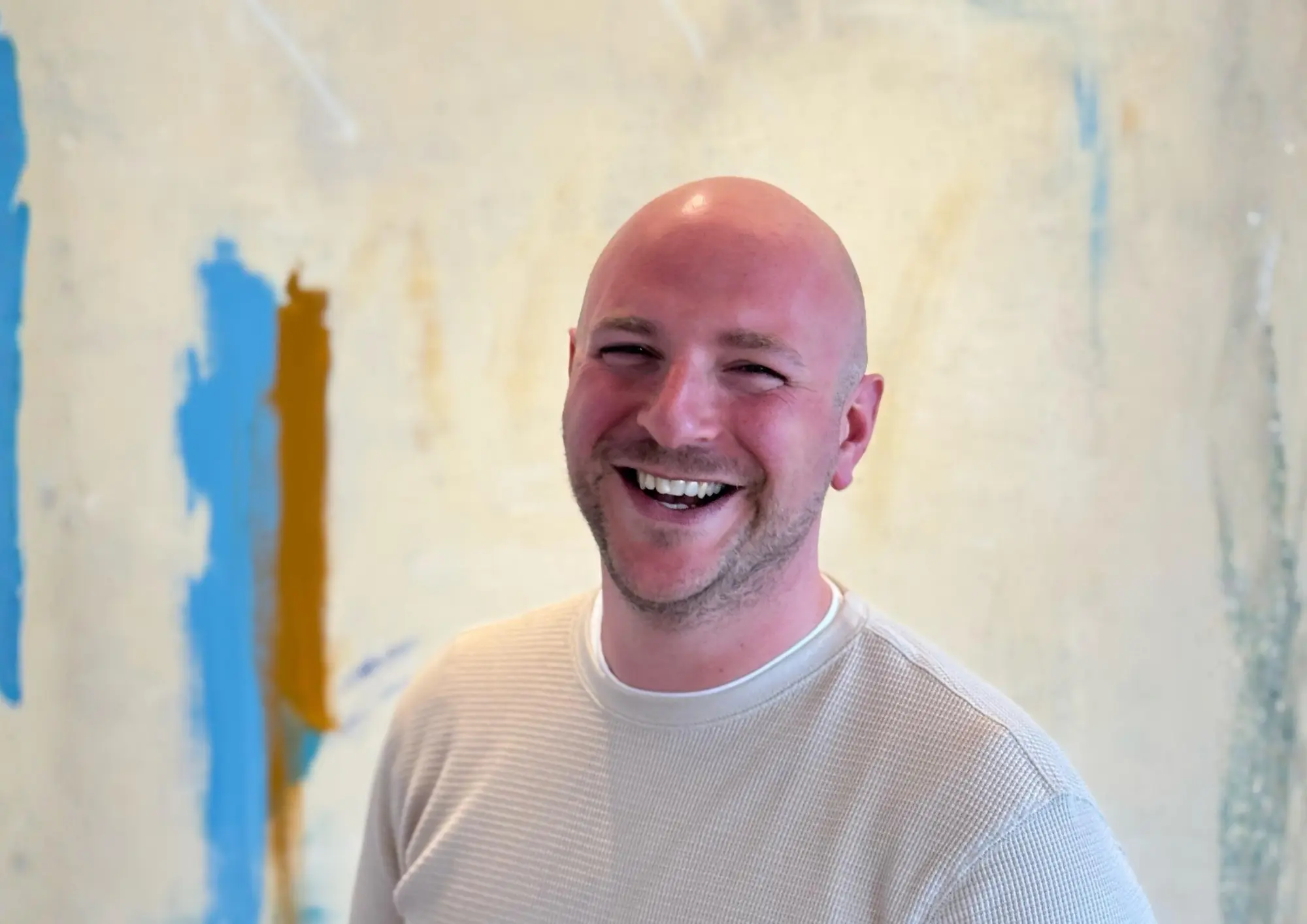
Co-Founder and CEO of Oneder
Winston Taylor*, 2012–2014
From legal training to entrepreneurship
Becoming an entrepreneur was never part of the plan. But the skills David developed early in his legal career, including his time as a trainee at Winston Taylor* (2012–2014), have helped him build a business, secure investment, and establish partnerships with a growing group of landlords.
“Lawyers sometimes underestimate how transferable their skills are when they move into commercial roles. The intensity of legal training develops abilities that are valuable far beyond a traditional legal role.
“My experience at Winston Taylor* helped me become a strong communicator, an organized thinker, and someone who can quickly identify the issues that matter.”
Those capabilities have stayed with him throughout his career, from working in private practice and in-house roles to building a business of his own.
“My legal training influences almost every aspect of how I run the business, from communicating with the team and managing transactions to turning an idea into reality.
“One particularly important lesson from my time at Winston Taylor* was to think a step ahead. It helps me identify risks, issues, and opportunities that others may not have anticipated. I still use that skill today.”
Finding a home in commercial real estate
David was drawn to commercial real estate because it combined the legal skills he was developing with a practical and people-focused environment.
“I really enjoyed the people at Winston Taylor*. The firm was sociable and relationship-based, with an entrepreneurial feel. I was drawn to real estate because it was tangible. You could visit a building and experience the result of the decisions being made.
“It gave me the chance to consider a problem, weigh the implications, and see how decisions worked in practice.”
After qualifying, David continued building his career in commercial real estate, keen to deepen his experience in a sector he enjoyed. He quickly took on significant responsibility and had opportunities to learn, but increasingly wanted to play a more direct role in business decision-making.
“I wanted to make decisions, not only recommend them. I wanted to balance risk against commercial opportunity and take responsibility for the outcome.”
That desire eventually led him to WeWork.
Building confidence with WeWork
David joined WeWork in a commercial role that allowed him to combine his legal background with wider business responsibilities.
“The role was commercially focused and fast-paced. My legal background allowed me to understand and run transactions independently while working alongside teams across the company.”
Over time, his responsibilities expanded beyond legal matters and into the commercial side of the business.
“I’d planned to stay for a year and then decide whether to return to private practice. But when I looked back, I realized how much I’d learned and how much I enjoyed the role, so I decided to stay and see what else I could achieve.”
As WeWork grew, David became head of real estate for the U.K., Ireland, the Middle East, and Africa.
“I was deeply invested in the business and loved what I was doing. You could see the impact our work had on how people worked each day.”
Despite enjoying the role, he still had a desire to build something himself.
“Eventually, I wanted to test myself and see whether I could build something from the ground up.”
 The inspiration behind Oneder
“When I joined WeWork, I’d never have imagined moving on to set up my own business. But I was strongly influenced by the people around me. A lot of my friends and peers had their own businesses, and I was always encouraged to look at what they were doing and draw inspiration from them.”
David and his future business partner had also identified a gap in the market.
“Demand for flexible workspace was growing, but landlords and occupiers were not always getting the transparency, partnership, or responsiveness they needed. We saw an opportunity to build a different model around one principle: put customers first.”
That principle continues to guide how Oneder operates today.
“At Oneder, we focus on buildings and partnerships we believe in. That helps us create better experiences for landlords and occupiers.
“We also give our teams significant autonomy. The people who interact with customers every day are often best placed to identify what needs to improve. You can’t afford to stand still when it comes to your product or service.”
Leading a people-focused business
“Building my own business is the hardest thing I’ve ever done, particularly while balancing it with family life and a mortgage. But it’s also allowed me to shape how the business operates.
“I’m a big believer in company culture. Leadership means giving people a clear framework and a shared goal. Culture doesn’t happen by accident. Leaders set the tone.”
From learning to think like a lawyer to helping shape a fast-growing business and building one of his own, David has consistently turned ideas into action.
“I started my own business to test myself and see whether I could do it. There was never a master plan, but every stage of my career taught me something valuable.
“Sometimes the most interesting journeys are the ones you build as you go.”
*As of June 1, Taylor Wessing's offices in the U.K., Ireland, the Middle East, the Netherlands, and Belgium, along with Winston & Strawn came together to form Winston Taylor, a transatlantic law firm built for the businesses, people, and markets driving capital and innovation.