
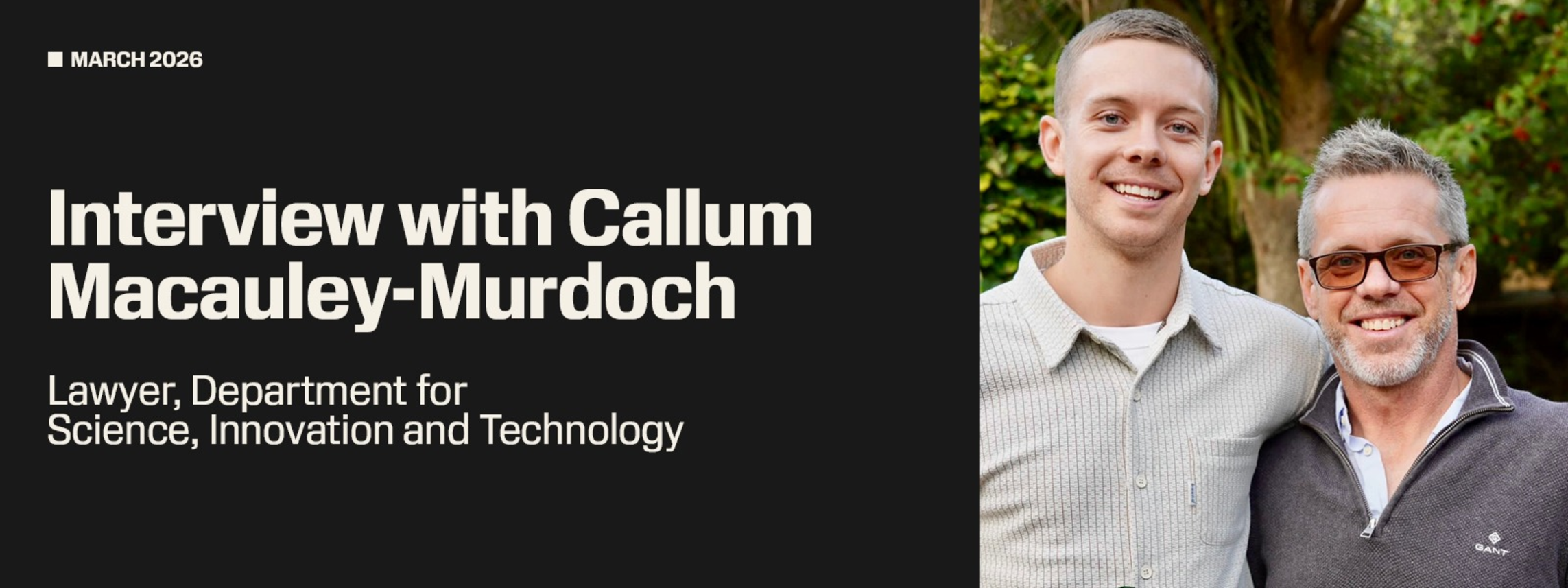
How writing brought comfort during a time of grief | Callum Macauley-Murdoch
Published on June 1, 2026
Callum Macauley-Murdoch 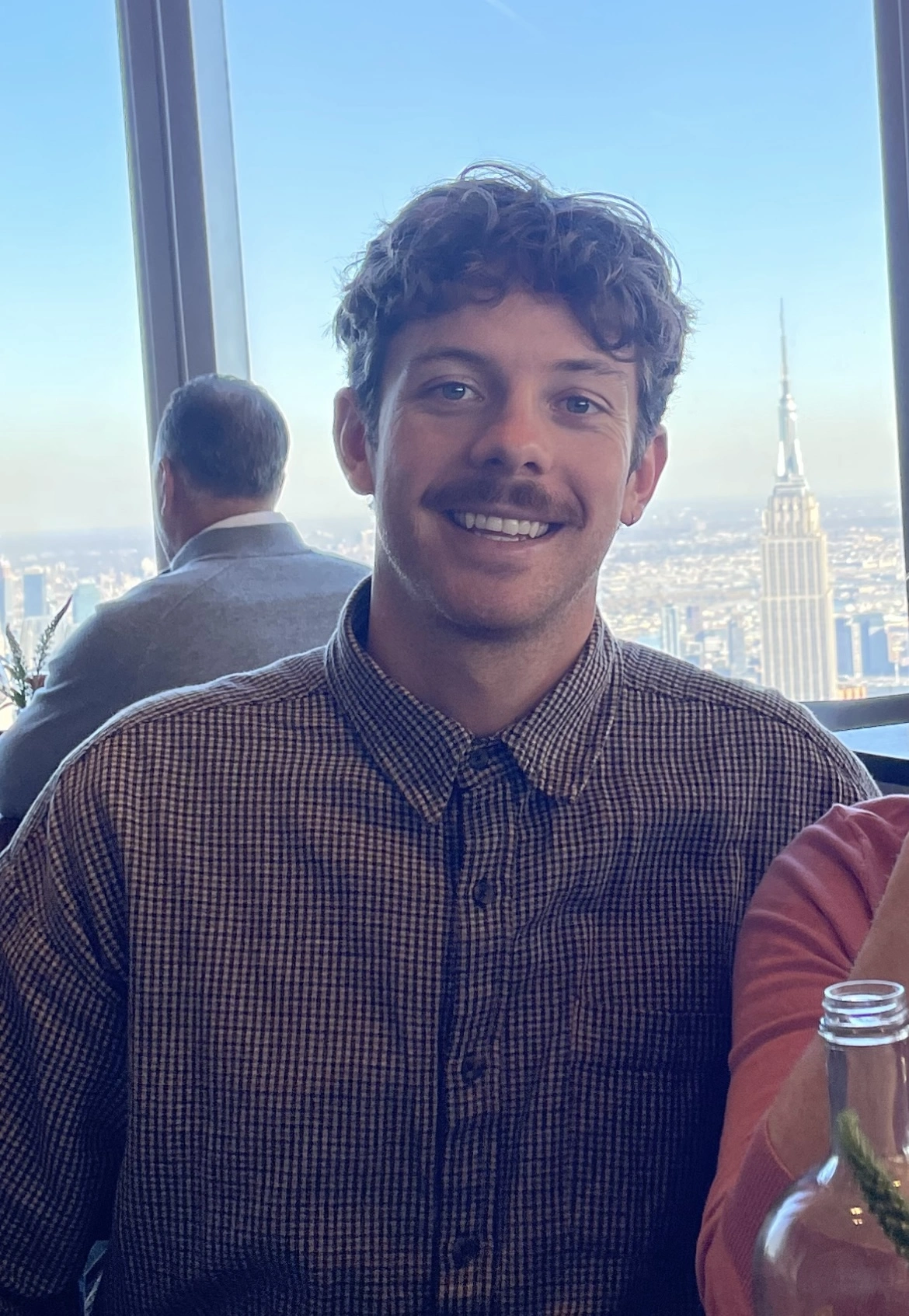
Lawyer, Department for Science, Innovation and Technology
(2017–2020 | Employment)
Sometimes, everything must stop.
No matter where we are or what we’re doing, the loss of a loved one turns our world upside down. Everything is put into a new perspective. Fortunately, with the support of family and friends, we can heal and start to move on. But, when it comes to dealing with grief at work and alongside colleagues, how we navigate this is not always as clear cut.
Our people are important to us, as is their well-being. When something significant happens, whether good or bad, we want to be there to celebrate successes or offer support during challenges. Through the Reach Network, we continue to support those connected with the firm by fostering close and supportive relationships. This is why we decided to get in touch with Callum Macauley-Murdoch. After leaving the firm in 2020, his career flourished until he was blindsided by a life-changing event. His experience of grief following his father's death led him to reflect on how our professional lives may need to become less of a priority during our most challenging times.
Tackling grief head-on
While working as a lawyer for the UK Government's Legal Department, Callum’s life was turned upside down when his father was diagnosed with terminal cancer at the young age of 56. His grief collided with the expectations he placed on himself and the way he conducted himself in a professional setting. His colleagues were incredibly supportive, but Callum struggled with a sense of internal pressure, feeling that society expects people to continue operating at full capacity, even while navigating a life‑altering loss, in order to be considered a ‘success’.
The impression gathered from observations in a professional setting was typically British—keep calm and carry on. This was viewed as a rather masculine and emotion-free way to behave. It wasn’t something Callum could set aside, even if he had wanted to. Instead, what began was a personal journey through grief that took him around the world and ultimately led to him writing articles for The Times.
“For whatever reason, it was necessary during my grieving process to share how I was feeling—to share my story and my dad’s story. I began documenting my experience almost as soon as Dad died, starting a personal blog on Substack and using creative writing alongside my legal career as an outlet. My writing has never been about gaining an audience or personal ambition; it has always been about finding a way to process my feelings. For the first time in my life, I did something for myself, entirely selfishly, with no purpose or end goal in sight. I just knew I wanted to do that.”
By this time, Callum’s career had already taken several turns. After completing a vacation scheme at the firm, he soon joined as a trainee solicitor. From there, he became an Employment Associate. “The firm gave me a solid foundation for working as a lawyer, and I’ll always be grateful for that. Rigor and attention to detail are cornerstones of everything the firm does, and these qualities have been instilled in my own professional life. I left with a strong work ethic, and a comprehensive understanding of how the corporate world operates."
“I joined the Department for Digital, Culture, Media and Sport in 2020, transitioning out of corporate law but remaining in the legal sector. Since 2023, I've been with the Department for Science, Innovation and Technology. I loved studying public law at university and have always been interested in politics, so this career path makes sense for me. A particular highlight was working on a bill and attending debates in the Houses of Parliament to provide box support to ministers.
It was while I was in this role that my dad died. The Government Legal Department was incredibly supportive during this time, and I was able to take time off for a career break. In many ways, I was fortunate to have such understanding people around me. They listened to what I was saying, took it seriously, and validated how I was feeling. In a professional setting, you don’t always know how colleagues might react to something as deeply personal as a family bereavement.”
An issue that has arisen for discussion recently is the question of ‘masculinity’ in the workplace when it comes to bereavement. “This wasn’t a deliberate action. I never set out to ask questions about how men cope with the death of a loved one while still having to go to work. Nevertheless, social constructs can influence people, and there are expected behaviors, whether or not they are appropriate for the situation.
At the end of the day, we all have jobs to do, and that doesn’t stop. But sometimes our professional responsibilities don't align with what we're experiencing in our personal lives. There's a balance to be found between being open about our personal experiences without oversharing or making others uncomfortable at work.
Still, I like to think that if I were going through something myself and heard someone at work speak about a similar experience, it might encourage me and help me feel supported in my own situation.
I spoke with other friends who had been through similar life events and found that it was extremely helpful to have a group of people who understood what I was going through and could offer support, helping me to learn to live with the grief of losing my dad. It came down to being as kind to myself as possible and listening to the signals my body was sending me.”
Although speaking about grief at work can feel especially difficult, Callum found that articulating his experience through writing made these conversations more manageable. “It meant that, in the workplace, I found it a little easier than others might to communicate with my employer about what I needed. I came very close to leaving, packing everything in, even though I really enjoy my career. That’s how significant this event was for me.
I find it interesting to hear from others, whether within the legal profession or in entirely different fields, about how they have coped with similar tragedies. It really isn’t easy, especially where expectations are high, and you are understandably unable to operate at your ‘best’. For me, staying in the profession proved to be positive, but I can see why it might cause some people to step away. That’s a difficult reality for us all to acknowledge.”
When tragedy strikes, it can be tempting to withdraw and simply endure its effects. But Callum chose a different path. From the depths of sadness, his creative side flourished, leading him to begin writing in earnest and ultimately attracting the attention of editors at The Times.
Opening up about private grief
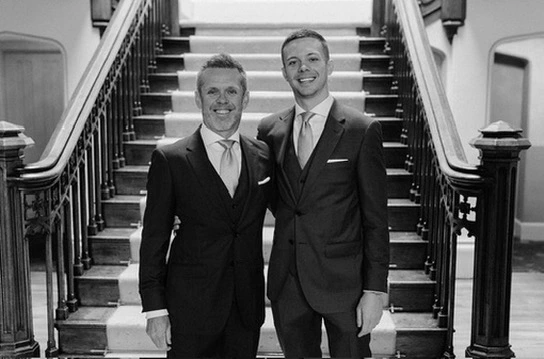 “I had created a Substack blog about grief and had been writing on it regularly. I reconnected with an old friend who had seen it; he had written an article for The Times about his own experience of cancer. He passed me the editor’s contact details. I sent her a pitch, and she liked it. I’d been writing on Substack for over a year, but mostly for myself, a few friends and family, and some amazing strangers from around the world—many of whom had also experienced significant adversity or bereavement. It was (and still is) an incredibly life-affirming community. One of the few gifts of grief is being able to empathise with strangers who feel alone as they struggle to adapt to loss.
 I was very aware that there was a big difference between writing for the few hundred people who subscribed to my Substack and writing for a national audience in The Times about grief and masculinity. I felt apprehensive but grateful. The writing process felt good and like a natural extension of the experiences I’d been sharing on my Substack. The editing process was swift, and before long, I had an article published in The Times.
I remained apprehensive when I wrote the article; some people I'd spoken to had dealt with their grief in different ways to me, and I worried that by discussing masculinity and grief, it might be perceived as implicit criticism regarding how others chose either not to talk about their feelings or to distract themselves. But grief, in my view, is an entirely individual experience. Everyone has to go with whatever feels true to them. There's no right or wrong way to handle it. But, through the article, I hoped to reach men who might want to talk about their feelings a little more, but for whatever reason, felt unable to do so.
If The Times article, or this piece shared with Reach encourages anyone to feel more confident in speaking about how they are feeling, then that’s hugely positive. And, of course, I’m always happy to chat.
What was totally unexpected was an invitation to appear on Hugo Rifkind’s Times Radio show to discuss my article. I'd just started my career break and was in India for a wedding when a message popped up on LinkedIn from a radio producer inviting me onto the program the next day. I didn’t have long to prepare, but I found the host was kind, and it was great to not only talk about the article and grief, but about my dad. It sounds strange to say, given the circumstances, but he’d have loved to hear me speak on the air.”
Callum is currently halfway around the world on his career break with his wife and is also halfway through an MA in Creative Writing. Yet he is only beginning to understand the life adjustments that come with bereavement.
“I believe there's still some stigma surrounding therapy. When my dad was in the hospice, I undertook grief counseling, which continued long after his death. My writing now acts as a form of therapy for me. I think it’s important to speak openly about this to help overcome the stigma—it’s something I talk about regularly in my articles.
Writing has been profoundly therapeutic for me, and it has genuinely been an enriching process, as it has led to a growing community of people who feel comfortable sharing their experiences of adversity with me as well. Through this, I have had the privilege of listening to many difficult but inspirational stories. Some people have told me that they haven’t spoken to anyone else about these matters, so it’s an honor to be part of their journey and perhaps help them feel more at ease discussing their experiences. I feel very lucky because I'm comfortable speaking openly about what I went through, and in doing so, I've had opportunities to learn more about others' experiences too.”
Moving forward while still reflecting
What began as a private act through starting a Substack blog to document his experience of grief has grown into something more public and communal. With an article recently published in Business Insider and another due to be published in The Times, Callum's essays now attract readers well beyond friends and family. They also resonate with strangers who have experienced similar losses and who feel recognised in his words.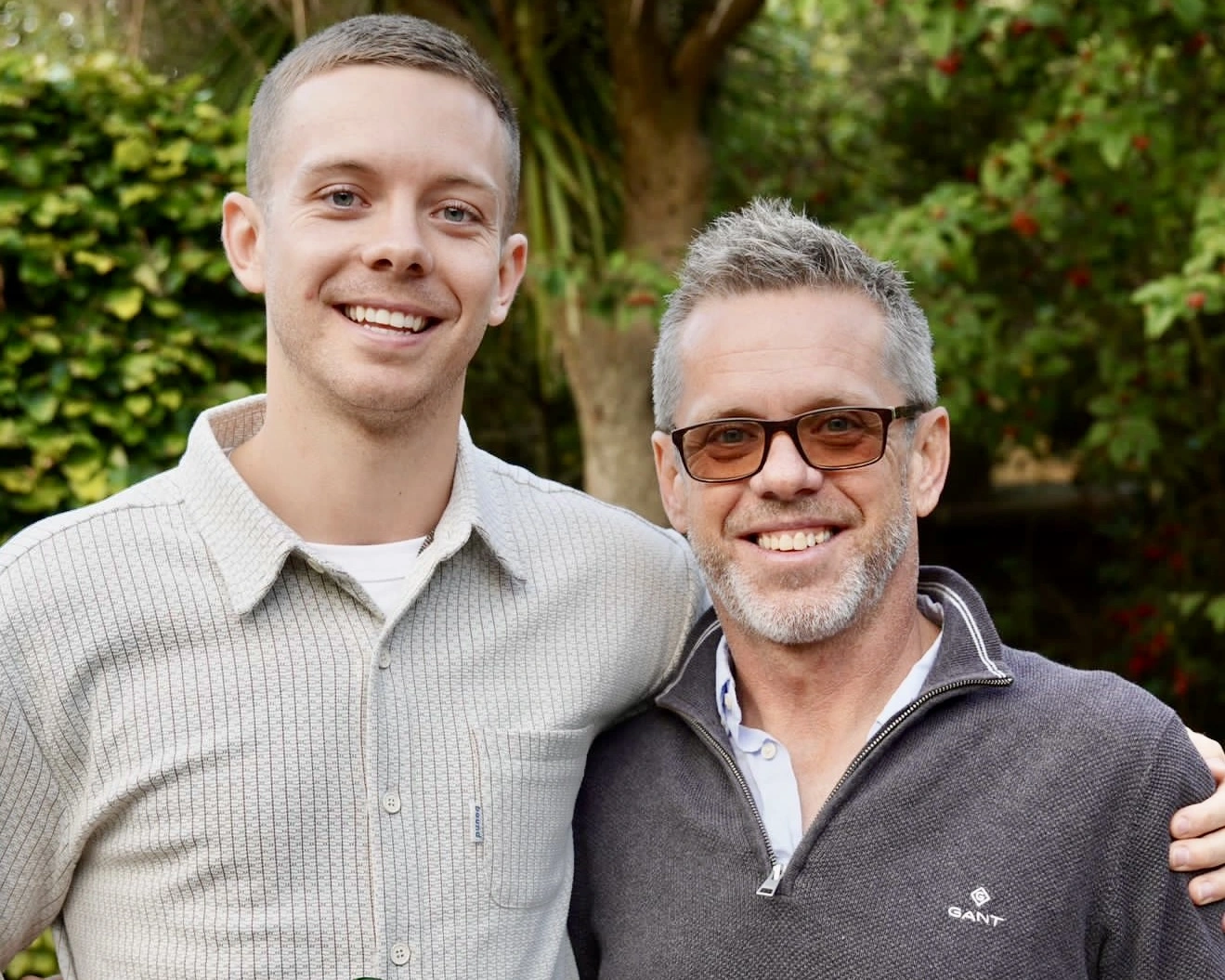
“Traveling at this point in my life has truly opened my eyes to how people approach grief across the world. It may not be the most conventional reason for traveling, but hearing stories about grief has been deeply meaningful. I’ve attended a ceremony on the banks of the Ganges in India, where families bring their loved ones for cremation on the river. Soon, I'll be heading to Japan, the country with the highest rate of cremations globally, and I plan to visit parts of South America before hopefully traveling through Central Asia to learn more about their traditions and approaches to grief. At the moment, I find myself engaged in an unusual kind of travel writing focused on death and grief.
It may not be everyone’s cup of tea. But if this resonates with you, or if you’d like to join me on this journey or share your own experiences, get in touch and connect with me on Substack."
About Reach – The Winston Taylor alumni network
The Reach network connects everyone who is and has ever been part of Winston Taylor UK and Ireland. It helps our alumni and colleagues to maintain strong connections with each other and to share inspirational stories, like Callum's.
Do you have a story to share? Contact us—we’d love to hear from you: [email protected].